
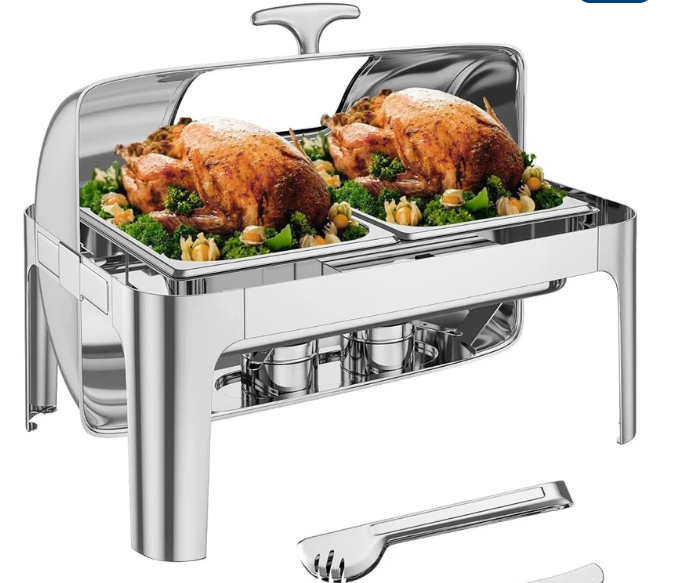
In busy service environments, keeping meals at the proper temperature is not just about convenience. It directly affects taste, texture, safety, and the overall guest experience. Whether you manage a catering company, hotel breakfast line, church gathering, concession stand, or banquet venue, the right hot-holding setup can make service smoother and more professional. A dependable food warmer helps keep soups, sauces, sides, and entrees ready to serve without constant reheating or rushed refills. Still, buyers should look beyond appearance alone. Capacity, portability, power source, cleanup, and menu type all play a major role in long-term satisfaction. This guide will help you compare common options, understand what features matter most, and choose equipment that fits both your service style and your budget.
How a Food Warmer Protects Quality During Service
Serving hot meals for an extended period is one of the biggest challenges in food service. Freshly cooked dishes can quickly lose moisture, become uneven in temperature, or form an unappetizing skin if they are not held correctly. That is where proper warming equipment becomes essential.
Instead of repeatedly reheating dishes, hot-holding units maintain a stable serving temperature. This protects flavor and texture while also helping teams move faster during busy periods. Staff can prep in batches, load the unit, and focus on plating, customer service, and replenishment rather than constant stove use.
The benefits are especially clear in settings such as:
- Buffet restaurants with long service windows
- Wedding and banquet catering
- Office lunches and corporate events
- School, church, or community meal programs
- Convenience food counters and concessions
Consistent holding also supports food safety. When cooked items stay within the proper temperature range, the risk of quality loss and unsafe serving conditions is reduced. That matters for meats, gravies, rice dishes, pasta, vegetables, and creamy side items that can suffer quickly when left out too long.
A good warming setup is not meant to improve poorly cooked food. Its job is to preserve what was already prepared well. That is why matching the equipment to your menu is just as important as choosing the right size.
Main Types of Hot-Holding Equipment
Before buying, it helps to understand the most common categories available. Each one suits a different style of service.
Countertop units
These are practical for cafés, snack bars, small buffets, and prep stations. They are compact, easy to place, and often ideal for limited menus. They work well for sauces, soups, chili, queso, or a few rotating hot items.
Steam tables and pan warmers
These are a strong choice for operations that serve multiple dishes at once. They hold hotel pans and allow easy rotation of menu items. For schools, cafeterias, or buffet lines, this style offers flexibility and efficient refilling.
Heated display cases
These combine presentation and temperature control. Bakeries, grab-and-go counters, and concession operators often use them for items such as pizza slices, pastries, sandwiches, and fried snacks. Visibility helps encourage impulse purchases.
Warming drawers and cabinets
These are useful for back-of-house holding. They keep trays or plated meals ready until service begins. Restaurants and banquet kitchens often rely on them for organized staging.
Heat lamps and carving stations
These are best for short-term holding and finishing. They work especially well for fries, roasted meats, carving service, or plated pickup areas. They are not always the best solution for long holding times, but they can be excellent for speed and visual appeal.
Every option has trade-offs. Some prioritize portability, others focus on capacity, while some are chosen mainly for elegant presentation. The right selection depends on your menu, event size, and service style.
Key Features to Compare Before You Buy
A smart purchase starts with knowing what actually matters in daily use. A stylish exterior means very little if the unit is difficult to transport, slow to heat, or hard to clean.
1. Capacity
Think in terms of portions, not just dimensions. A small venue with a narrow menu may need only a few pans, while a full buffet may require several wells or layers. Always consider peak demand, not average demand.
2. Heat source
Some units use electricity, while others rely on fuel cans or other portable heat methods. Electric models are convenient for indoor venues with reliable outlets. Fuel-based options are often useful for off-site events or outdoor setups where power access is limited.
3. Temperature control
Precise controls help protect delicate items from overcooking or drying out. Sauces, mashed potatoes, and seafood need gentler holding conditions than heavier dishes like meatballs or braised proteins.
4. Moisture retention
Dry heat works for some foods, but others need humidity or water-pan support to stay appetizing. A well-designed food warmer should match the moisture needs of your menu rather than applying the same heat level to every dish.
5. Portability
If your team travels to venues, transport matters. Look for secure lids, manageable weight, durable handles, and sturdy materials that can handle frequent movement.
6. Cleanup and maintenance
Simple cleaning saves time and labor. Removable pans, smooth surfaces, and easy-access interiors make a real difference after large events. Complicated units often become frustrating very quickly.
7. Build quality
Commercial environments are demanding. Stainless steel construction, reinforced edges, and dependable components can give you far more value over time than a cheaper unit that needs replacement after a short period.
8. Visual presentation
In self-serve environments, appearance affects perception. Clean lines, polished finishes, and coordinated serving equipment can make the spread look more premium, even before guests take the first bite.
When a Chafing Dish Is the Better Choice
Not every event needs a powered unit or a back-of-house cabinet. In many buffet and banquet settings, presentation is just as important as temperature retention. That is where a chafing dish stands out.
This style is popular because it combines elegant serving with practical heat support. It works especially well for weddings, catered brunches, hotel breakfast stations, holiday gatherings, and conference buffets. The design allows food to remain visible, accessible, and neatly arranged while still being gently heated from below.
For buffet-style service, a well-made chafing dish offers several clear advantages:
- Attractive presentation for guest-facing setups
- Easy lid access during service
- Good compatibility with standard food pans
- Useful portability for temporary venues
- Flexible formats, including round, rectangular, and roll-top styles
That said, this option is not always ideal for every menu. Some dishes can lose moisture if held too long, and fuel monitoring is important during longer events. It is best suited to controlled buffet windows rather than all-day holding.
Choose this format when your service model emphasizes appearance, convenience, and easy buffet access. For more technical back-of-house holding, enclosed cabinets or countertop systems may be a better fit.
Best Practices for Better Holding Results
Even the right equipment can underperform if it is used incorrectly. A few simple habits can dramatically improve both food quality and guest satisfaction.
Preheat before loading
Never place freshly cooked food into a cold unit and expect consistent results. Allow enough time for the equipment to reach proper holding temperature before service begins.
Start with properly cooked food
Holding equipment is for maintaining temperature, not for cooking food through. Load items only after they have reached the correct doneness and serving standard.
Use the right pan depth
Deep pans may look efficient, but they can slow replenishment and make food harder to stir evenly. Shallower pans often support better turnover and a fresher presentation.
Stir and rotate when needed
Soups, sauces, and soft starches can benefit from occasional stirring. For buffet service, rotating smaller batches often gives better quality than loading one oversized pan.
Avoid overfilling
Crowded pans are more difficult to manage and can lead to uneven service. Leave enough room for utensils and easy portioning.
Monitor moisture
Items such as rice, pasta, and roasted vegetables may need occasional attention to prevent drying. Some menus perform better with water-assisted heat, while others do best under drier conditions.
Keep service tools organized
Ladles, tongs, and spoons should be easy to access and matched to the item being served. Good utensil placement speeds lines and reduces mess.
Buying Checklist for Different Use Cases
Different operations have different priorities. Use this simple checklist to narrow your choice.
For buffet restaurants
- Multiple pan capacity
- Fast refilling access
- Consistent holding through long service windows
- Easy cleaning after frequent use
For off-site caterers
- Portable construction
- Durable lids and secure transport
- Flexible heat source options
- Strong visual presentation for guest-facing setups
For banquet halls and hotels
- Elegant design
- Uniform appearance across serving stations
- Quiet, dependable operation
- Reliable performance during large events
For office lunches or community events
- Simple setup
- Easy operation for temporary staff or volunteers
- Moderate capacity
- Low-maintenance cleanup
For family celebrations or holiday hosting
- Compact size
- Easy tabletop use
- Safe heat output
- Practical storage between occasions
When in doubt, think about your most common event size, the dishes you serve most often, and how long food typically remains on display. Those three answers usually lead you toward the right category much faster than chasing the lowest price.
FAQ
1. What size warming equipment do I need for a 100-person event?
That depends on your menu, serving style, and whether guests are self-serving or being plated. A buffet with multiple hot items usually needs several pans with staggered replenishment. It is often smarter to hold backup trays and refill in waves rather than place everything out at once.
2. Is a chafing dish good for outdoor events?
Yes, it can work very well for outdoor buffets, especially short to medium-length events. The key is wind protection, stable placement, and close monitoring of fuel or heat output. For unpredictable weather or longer service periods, covered and more enclosed options may offer better consistency.
3. Can warming equipment dry out food?
Yes, if the wrong heat method is used or food is held too long. Delicate dishes often need more moisture support, while crispy items may benefit from drier heat. Matching the equipment to the menu is the best way to protect texture.
4. What foods hold best during buffet service?
Braised meats, gravies, casseroles, stews, pasta bakes, cooked vegetables, rice dishes, and thick soups tend to hold well. Fried foods, delicate seafood, and thin-cut meats often require more attention to keep their best texture.
5. Should I choose appearance or performance first?
Performance should come first, but presentation still matters in guest-facing service. The ideal option gives you both: dependable holding and a clean, professional look that supports the overall dining experience.
Conclusion
Choosing the right hot-holding solution is ultimately about matching equipment to your real service needs. Menu type, event length, transport requirements, and presentation goals should all guide the decision. If you need dependable temperature control for repeated service, a quality food warmer can improve workflow, protect food quality, and reduce stress during busy periods. If your focus is elegant buffet presentation, a chafing dish may be the more practical and attractive option. The best investment is the one that supports your team, suits your venue, and keeps every dish appealing from the first guest to the last. Buy with daily use in mind, and you will get far more value than choosing based on looks or price alone.
