
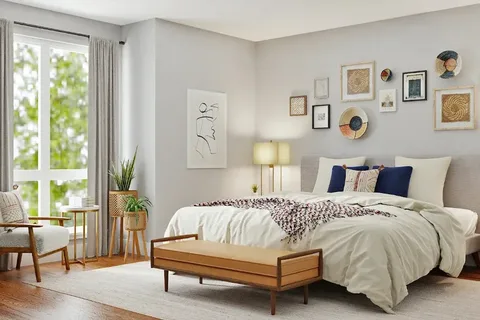
Selecting a home is more than choosing finishes. It is deciding how you want spaces to feel and function for years to come. Suppose you are exploring new home construction in Venice. In that case, you may be drawn to clean lines and uncluttered rooms yet wonder whether contemporary architecture can also be warm, durable, and comfortable for daily life.
This guide explains how modern design translates into livable homes. You will learn how minimalist forms, carefully balanced asymmetry, and innovative materials like steel and glass create inviting rooms, bright interiors, and flexible layouts. You will also see practical checkpoints to help you evaluate models and personalize choices with confidence.
Clean lines with livable warmth
Minimalist silhouettes reduce visual noise so furnishings and views take center stage. Simple baseboards, low-profile cabinet pulls, and flush door casings keep sightlines calm. Warmth comes from texture and proportion. Think wide-plank flooring, wood accents, and layered lighting that softens corners in the evening. When details are edited, everyday maintenance feels lighter and rooms stay timeless.
Asymmetry that adds interest
Modern exteriors often use offset roof planes and window groupings to create movement. Inside, asymmetrical fireplace walls, open shelving, or a stair placed to one side can frame art and views without crowding the plan. The goal is balance. One bold element pairs with quieter surfaces so the composition remains harmonious rather than busy.
Glass and steel used with purpose
Floor-to-ceiling glass invites daylight and connects interiors to outdoor rooms. High-performance glazing controls heat gain while preserving clarity. Slim steel or aluminum frames keep mullions narrow, which extends views across patios and gardens. Where privacy matters, use translucent panels or carefully placed clerestories to borrow light while screening sightlines.
Open plans that respect real life
Modern layouts celebrate flow yet still protect moments of calm. An open-plan great room can be defined by ceiling height, a change in flooring direction, or a furniture arrangement that signals zones for cooking, dining, and relaxing. Pocket doors, glass sliders, and built-in storage allow spaces to flex for entertaining or quiet work without adding walls.
Materials that look good and perform
Innovative surfaces support style and daily use. Engineered quartz counters resist stains and heat. Large-format porcelain tile delivers clean grout lines with easy-care durability. Matte cabinet finishes reduce fingerprints, while soft-close hardware improves function. On the exterior, fiber-cement panels and metal accents offer crisp profiles with strong weather performance.
Lighting that shapes mood and clarity
A contemporary scheme layers light for both task work and atmosphere. Recessed fixtures provide even coverage, while slim pendants and linear sconces add character. Under-cabinet LEDs brighten prep zones and control glare. Dimmers throughout the home allow smooth transitions from morning routines to evening gatherings. The result is a house that feels tuned to the time of day.
Outdoor rooms as a natural extension
Modern architecture blurs the line between inside and out. Covered lanais, pergolas, and screen systems frame shaded retreats that support year-round use. Concrete or porcelain pavers align with interior tile to create a seamless threshold. Simple planters, integrated benches, and low-profile railings keep the focus on sky and landscape.
Color, texture, and detail that endure
A restrained palette helps spaces age gracefully. Soft whites, sand tones, and charcoal accents form a foundation for art and textiles. Texture adds depth: ribbed wood, woven fabrics, and stone with subtle movement. Consider one statement feature, such as a sculptural staircase or a paneled island, then keep surrounding finishes quiet so the feature can shine.
How to evaluate model homes
Walk through each room and note the relationship between windows, circulation, and furniture placement. Check how natural light moves through the plan at different times of day. Look for thoughtful storage that supports a clutter-free lifestyle. Ask which materials are standard and which are upgrades, and confirm lead times for custom items so the build stays on schedule. A well-resolved model will feel calm even when several visitors are present.
Personalizing within a modern framework
Choose a few elements to express personality while keeping the base consistent. A textured backsplash, a sculptural light over the dining table, or a wood slat feature wall can add identity without overwhelming the whole. Document paint sheens, cabinet hardware specs, and grout colors so future updates stay aligned with the original design.
If you are considering new home construction in Venice and want contemporary architecture that is as comfortable as it is striking, explore Vistera of Venice. Thoughtful forms, balanced asymmetry, and well-chosen materials work together to deliver bright, flexible spaces that feel welcoming from day one and stay stylish over time.
