
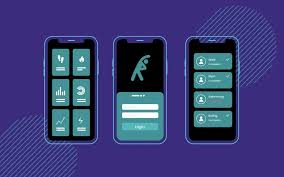
“Nearly 63.4 % of U.S. adults reported using an app for a health‑related purpose over the past 12 months.”
Imagine having a personal health assistant right in your pocket, monitoring your heart rate, counting calories, reminding you to take medications, and even connecting you to doctors, all from your Android phone. Health apps for Android phones have turned this vision into reality, transforming how we manage wellness every day.
But here’s the exciting question: could you create your very own health app that rivals these powerful tools? The key lies in mastering the technical depth of Android app development while leveraging the expertise of a trusted healthcare software development company.
Understanding the Demand for Health Apps
Over the last decade, the adoption of health apps for Android phones has skyrocketed. People are increasingly relying on their mobile devices for monitoring fitness, managing chronic conditions, and even communicating with healthcare providers.
Consequently, the healthcare industry is witnessing a surge in digital transformation, emphasizing the need for custom applications that combine real-time analytics, secure data storage, and a user-friendly interface. Transitioning from concept to execution, the first step is acknowledging the importance of Android app development frameworks.
Android, being the most widely used mobile operating system worldwide, provides a robust ecosystem that supports scalability, integration with wearable devices, and diverse healthcare APIs. Leveraging these capabilities ensures that your app meets the expectations of modern users while maintaining compliance with regulatory standards such as HIPAA or GDPR.
Key Features of Successful Health Apps
When aiming to create health apps for Android phones, several core features are essential to enhance user engagement and functionality. These include:
- Personalized User Dashboards: Offering insights into activity levels, vitals, and medical history.
- Real-Time Notifications: Sending reminders for medication, appointments, or health check-ins.
- Integration with Wearables: Synchronizing with smartwatches or fitness bands to collect accurate data.
- Data Security & Privacy: Ensuring sensitive health information is encrypted and compliant with healthcare regulations.
- Telemedicine Capabilities: Facilitating video consultations, secure chat, and appointment scheduling.
Implementing these features requires advanced Android app development expertise and collaboration with a healthcare software development company capable of delivering high-performance applications tailored for the healthcare ecosystem.
“In 2024, the global mHealth apps market was estimated at USD 37.5 billion, with projections to grow to ~USD 86.4 billion by 2030 (CAGR ~14.8%).”
Step-by-Step Guide to Building Your Health App
Transitioning from theory to practical application involves a structured development process. Below are the essential stages for creating health apps for Android phones:
1. Ideation and Market Research
Begin by identifying your target audience and the specific healthcare problem your app aims to solve. Analyze competitor apps to determine gaps in functionality and design.
2. Wireframing and UI/UX Design
A visually appealing and intuitive interface is critical. Tools like Figma or Adobe XD can be used to design mockups that facilitate seamless navigation, which is crucial for retaining users.
3. Backend Development and API Integration
Secure backend architecture is vital for storing sensitive health data. Integration with healthcare APIs, wearable devices, and cloud storage solutions ensures smooth data flow and accessibility.
4. Android App Development
Utilizing Android app development frameworks such as Kotlin or Java, developers build the core functionality. Implementing robust testing protocols at this stage ensures the app performs flawlessly across various Android devices.
5. Testing and Compliance
Testing for usability, performance, and security is essential. Moreover, adherence to healthcare regulations ensures your app remains legally compliant and trustworthy.
6. Deployment and Continuous Updates
After launching on the Google Play Store, continuous updates, feature enhancements, and user feedback integration keep the app competitive and reliable.
Benefits of Partnering with a Healthcare Software Development Company
While it is technically possible to develop a health app independently, collaborating with a healthcare software development company significantly enhances the quality and scalability of your application. Such companies bring:
- Domain Expertise: Understanding of healthcare workflows and regulatory requirements.
- Technical Proficiency: Advanced skills in Android app development frameworks and cross-platform integration.
- Security Assurance: Implementation of industry-standard encryption and compliance protocols.
- Scalability Solutions: Future-proofing apps to handle growing user bases and new functionalities.
Ultimately, working with experienced professionals ensures your health apps for Android phones are not only functional but also secure, reliable, and ready for market competition.
“Technology has the power to democratize healthcare, putting vital health data into the hands of everyone.” – Eric Topol
Final Thoughts!
Building your own health apps for Android phones is achievable with strategic planning, technical expertise, and industry insight. Collaborating with a healthcare software development company or an in-house team ensures focus on user experience, security, and compliance.
Through meticulous Android app development, your app can enhance wellness, integrate real-time data analytics, and evolve with advanced frameworks. By continuously improving features, you create a competitive health app that transforms how users manage their health on Android devices.
